Call us now :08045478978
 Send Inquiry
100 Mm Internal Circlip
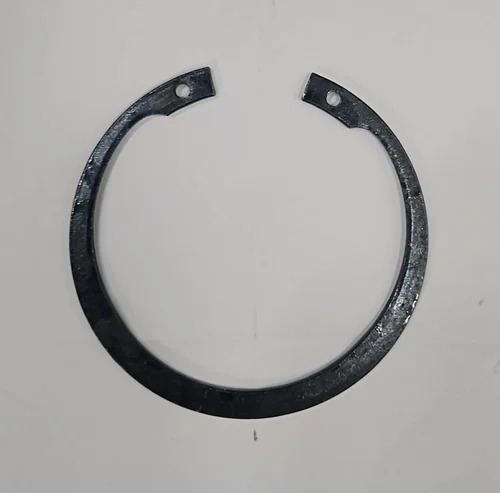

100 Mm Internal Circlip Specification
- Material Grade
- C75S / EN42J
- Density
- 7.85 Gram per cubic centimeter(g/cm3)
- Tensile Strength
- Up to 1500 MPa
- Metal Type
- Spring Steel
- Weight
- Approx. 18 grams
- Material
- Other
- Usage
- Industrial
- Structure
- Retaining Ring
- Standard
- DIN 472
- Size
- 100mm
- Shape
- Round
- Color
- Black
- Finish Type
- Black Oxide
- Thickness
- 2.5 mm
- Corrosion Resistance
- Moderate
- Operating Temperature
- -40C to 250C
- Application
- Securing components inside bores
- Type
- Internal Circlip
- Internal Diameter
- 100 mm
- Hardness
- 44-52 HRC
100 Mm Internal Circlip Trade Information
- Minimum Order Quantity
- 100 Pieces
- Supply Ability
- 1000 Pieces Per Month
- Delivery Time
- 10 Days
100 Mm Internal Circlip About
00 mm Internal Circlip (DIN 472)
The 100 mm Internal Circlip is a precision-engineered retaining ring designed to fit securely into a machined groove inside a 100 mm bore or housing. It is used to hold bearings, bushes, gears, and other components in place, preventing axial movement while allowing easy assembly and disassembly. Manufactured in accordance with DIN 472 standards, this circlip offers reliable retention, high strength, and long service life.
Made from high-quality spring steel or stainless steel, the circlip provides excellent elasticity, wear resistance, and corrosion resistance, making it suitable for demanding industrial applications. It is widely used in automotive, machinery, agricultural equipment, pumps, gearboxes, electric motors, and general engineering industries.
Key Features:
- Designed for 100 mm housing bores.
- Manufactured as per DIN 472 standard.
- High-strength spring steel or stainless steel construction.
- Excellent load-bearing and retaining performance.
- Easy installation and removal using standard circlip pliers.
- Durable, wear-resistant, and corrosion-resistant.
- Suitable for industrial and OEM applications.
Applications:
- Bearings and bearing housings
- Gearboxes and transmissions
- Electric motors
- Pumps and compressors
- Industrial machinery
- Automotive and agricultural equipment
Reliable Retention for Industrial Applications
Our 100 mm Internal Circlip offers stable retention and precise fitment for components installed within bores. Engineered to deliver strength and moderate corrosion resistance, it ensures critical parts remain securely fastened, reducing the risk of mechanical failure in industrial machinery.
Built to DIN 472 Standards
Manufactured following the DIN 472 specification, these internal circlips guarantee interchangeability, consistent quality, and dimensional accuracy. This compliance ensures seamless integration into standardized assemblies requiring a retaining ring of 100 mm internal diameter.
Durable Black Oxide Finish
The black oxide finish adds a protective layer against moderate corrosion while offering a professional aesthetic. This makes the circlip suitable for use in environments where both appearance and performance matter.
FAQ's of 100 Mm Internal Circlip:
Q: How is a 100 mm internal circlip installed inside a bore?
A: A 100 mm internal circlip is installed by expanding it with circlip pliers, positioning it within the groove inside a 100 mm diameter bore, and then releasing it to securely seat the ring.Q: What benefits does the black oxide finish provide for this circlip?
A: The black oxide finish enhances moderate corrosion resistance, reduces glare, and provides a sleek appearance, contributing to both durability and professional aesthetics in industrial settings.Q: When should I choose an internal circlip of this size and specification?
A: Use this 100 mm internal circlip when you need to securely retain components within a bore of exactly 100 mm diameter and require high strength and reliability, such as assemblies in industrial machinery.Q: Where are these internal circlips commonly used?
A: These circlips are widely used in industrial equipment, automotive assemblies, shaft retention applications, gearboxes, and anywhere components must be axially secured within a housing or bore.Q: What is the recommended process for removing this circlip from its groove?
A: To remove the circlip, utilize a pair of internal circlip pliers to compress the ring and gently lift it out of the groove within the bore, ensuring not to deform the circlip for potential reuse.Q: How does the material grade C75S / EN42J enhance the circlip's performance?
A: The use of C75S / EN42J spring steel provides excellent tensile strength, high hardness, and flexibility, ensuring the circlip maintains robust retention and long service life under repeated load cycles.Q: What is the maximum operating temperature for this circlip?
A: This internal circlip can operate reliably in temperatures ranging from -40C up to 250C, making it suitable for various challenging industrial environments.Tell us about your requirement

Price:
Quantity
Select Unit
- 50
- 100
- 200
- 250
- 500
- 1000+
Additional detail
Mobile number
Email

More Products in Circlips Category
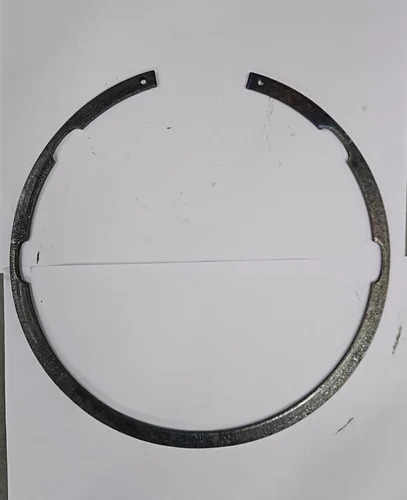
205 Mm Internal Circlip
Price 260 INR / Piece
Minimum Order Quantity : 100 Pieces
Shape : Round
Size : 10mm
Material : Other
Usage : Industrial
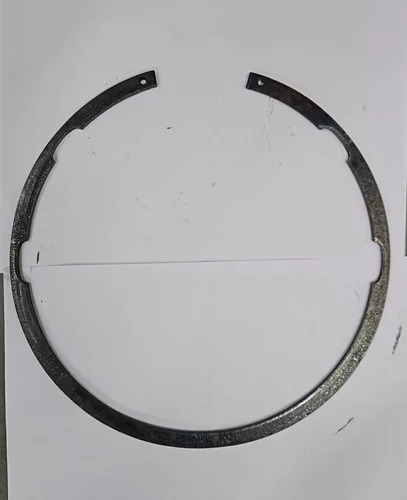
205 Mm Internal Circlip
Price 260 INR / Piece
Minimum Order Quantity : 100 Pieces
Shape : Round
Size : 10 mm
Material : Other
Usage : Industrial
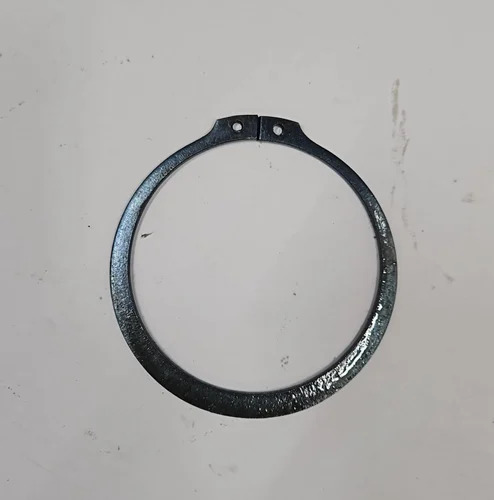
75 mm External Circlip
Price 10 INR / Piece
Minimum Order Quantity : 100 Pieces
Shape : Circular
Size : 75mm
Material : Other
Usage : Industrial
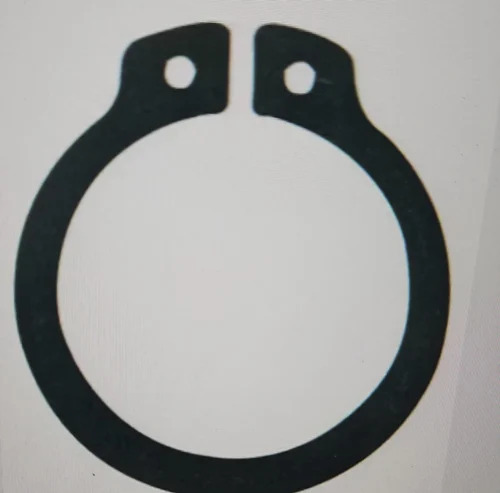
10 mm Ext Circlips
Price 5 INR / Piece
Minimum Order Quantity : 100 Pieces
Shape : Round
Size : 10mm
Material : Other
Usage : Industrial


 Send Inquiry
Our Products
- Internal And External Circlips
- PTFE Rod
- O Ring
- Insulation Tape
- Oil Seal
- Pneumatic Fitting
- Wire Stripper
- Silicone Transparent Tube
- Pipe Wrench
- Rubber Cord
- Grinding Wheel
- Taparia Plier
- PTFE Tape
- Abrasive Products
- Hand Tool
- Hand Grinder Wheel
- Line Tester
- Stainless Steel Coupling
- Cpvc Pipe
- Silicone Spray
- Screwdriver
- Wool Felt
- Brass Nipple
- Granite Cutting Blade
- Air Screwdriver
- Teflon Tape
- Screw Driver
- Epoxy Adhesive
- Brass Ball Valve
- Circlips
- PU Pipe
- Ball Valve


M-68, New Siyaganj,Indore - 452001, Madhya Pradesh, India

Mr. Subhash Mali
(Partner)
Mobile :08045478978
 Send Inquiry
 Call Me Free
Developed and Managed by Infocom Network Private Limited.
